Choosing your first tree: juniper, ficus, or elm?
A practical breakdown of the three species most likely to survive your first year — and the one mistake beginners make with all of them.
Honest guides for first-time growers. Patient reviews of the tools, soils, and pots that actually matter. No shortcuts — just the slow craft of keeping a tree alive, one season at a time.
This week
Repotting season is here. See our step-by-step.
Written with care, reviewed by growers
Most beginner sites throw jargon at you on day one. We start with the soil under your fingernails and work our way up to wiring, styling, and decades-long patience.
Guides written in the order you actually need them — not the order a textbook prefers. Start with watering. End with styling.
We buy the tools. We kill a few trees. We tell you which concave cutters are worth $40 and which are worth $12.
A bonsai is a relationship measured in seasons. We help you build one that lasts — with realistic expectations and no miracle fixes.
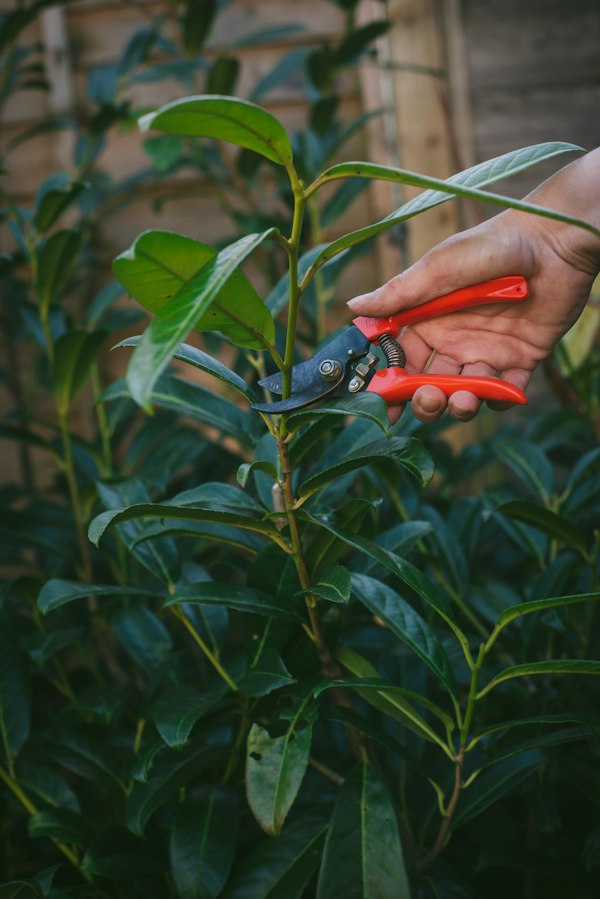
Every cut is a conversation. We teach you to read a tree before you reach for the scissors — the single most important skill a beginner can learn.
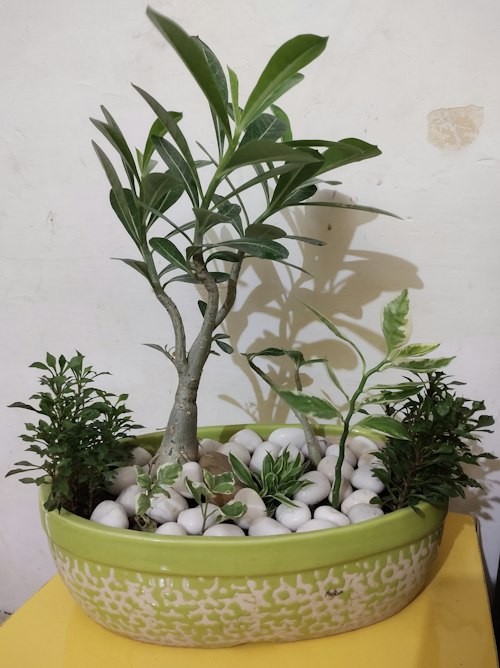
A practical breakdown of the three species most likely to survive your first year — and the one mistake beginners make with all of them.
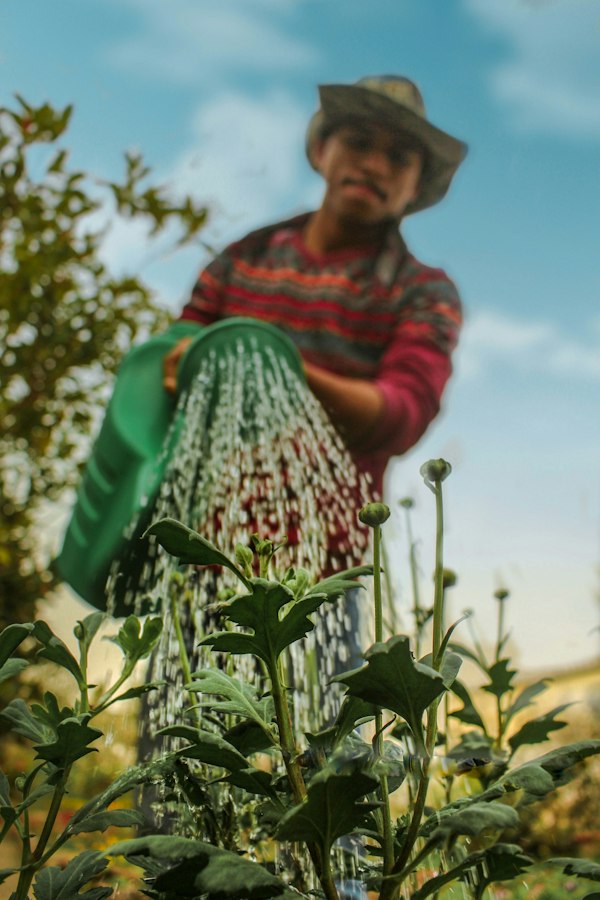
Forget schedules. Learn to read the soil, the season, and the pot — the three signals that actually tell you when to water.
Structural pruning vs. maintenance pruning — the difference that saves trees, and the calendar that tells you which to do.
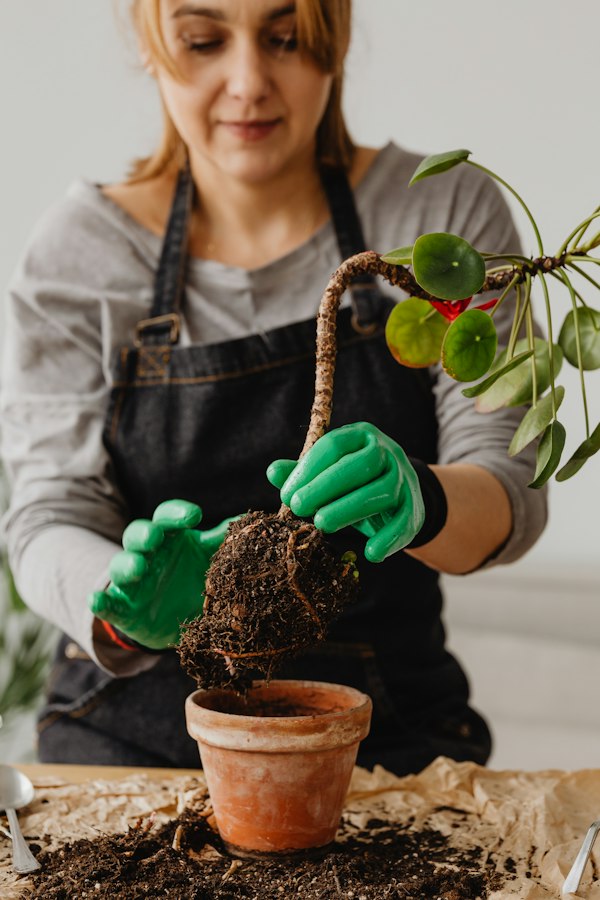
A complete walk-through of repotting season — including the root-trimming rule that terrifies beginners but saves trees.
We bought every tool on this list with our own money. No sponsorships, no affiliate bumps — just six months of use on real trees.
The only beginner kit where every tool holds an edge past the first repot. Concave cutter, knob cutter, pruning shear, root hook, and wire cutter — forged carbon steel, not stamped stainless.
Price
$89
Best for
First-year growers
Verdict
Buy it.
Pots
The classic. Proper drainage, subtle glaze, and a weight that anchors a mid-size juniper beautifully.
$42
Supplies
1.5mm, 2.5mm, 4mm. The only sizes you need year one. Holds shape, removes clean, doesn't scar bark.
$18
Soil
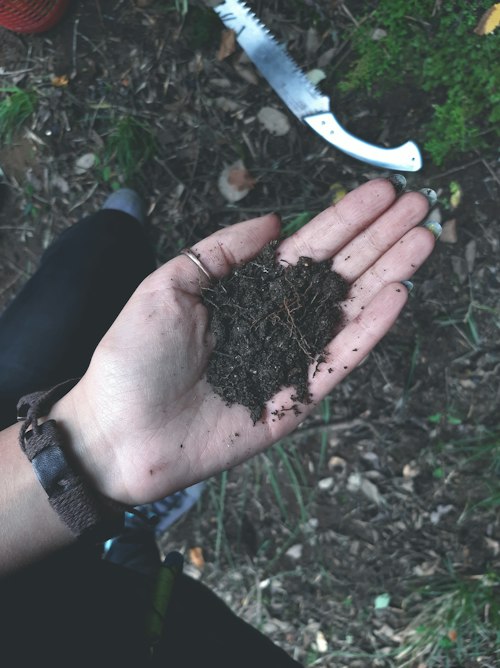
The ⅓-⅓-⅓ blend, pre-sifted. Saves an hour and a dusty garage. Works for 90% of temperate species.
$24 / 8L
Bonsai is a conversation measured in seasons. Here's what that conversation actually looks like in year one — no mystery, no magic.
Spring
Pick one species. One pot. One spot with morning sun. Let the tree adjust for two weeks before you touch it.
Summer
Learn the weight of a watered pot vs. a dry one. This single skill prevents 80% of beginner deaths. No pruning yet.
Autumn
Light fertilizer as growth slows. Read one chapter a week. Sketch your tree. Notice which branches you'd remove — don't, yet.
Winter
Deciduous trees reveal their skeleton. Make your first structural cuts. Protect from hard frost. Then — wait for spring.
Bonsai is not miniaturization. It's compression of time. A 30-year-old bonsai has lived 30 real winters, 30 real springs — just in a smaller body.
This is why we teach reading before cutting. A tree tells you what it needs in the color of its needles, the angle of its new shoots, the tightness of its bark. The beginner's job is to listen.
The tools, the soil, the pot — they're just the vocabulary. The tree writes the story.
1,400+
Years of recorded practice
5.
Core styles we teach
1.
Rule: the tree decides
A quiet manifesto
— The Rooted editorial promise
I killed two ficuses before finding Rooted. Their watering guide alone saved my third tree — and probably my patience. This is the site I wish existed when I started.
— M. H., beginner grower
Portland, OR · growing a Chinese elm since 2024
[ Placeholder testimonial — replace with a real reader quote before publishing ]
No — but it is slow. Most beginners fail because they expect a houseplant that looks exotic. A bonsai is a living tree in a small pot, and it needs the same things any tree needs: light, water, air, and time. Start with a forgiving species like a juniper or Chinese elm and you'll do fine.
Ignore any fixed schedule. Water when the top centimeter of soil feels dry to the touch — which might be daily in summer, every four days in winter. The tree, the pot, the soil, and the weather all matter. Our Chapter 02 guide walks through the three signals to read.
Only tropical species — ficus, jade, schefflera. Temperate bonsai (juniper, elm, maple, pine) need a cold winter dormancy and will slowly die indoors. This is the single most common beginner mistake, and it's entirely avoidable once you know your species.
No. A sharp pair of bonsai pruning shears ($20–30) and a concave cutter ($25) will carry you through the first two years. Skip the 20-piece kits — most tools in them you won't touch until year five. Our Tools & Pots section has a full first-year kit breakdown.
A bonsai is never finished — that's rather the point. A presentable tree from a nursery pre-bonsai takes 2–4 years of patient work. A tree grown from seed or cutting to show quality takes 10–25 years. Most growers find the journey, not the destination, is what keeps them coming back to the bench.
Start with Chapter 01. Pick a species. Find a morning-light window. Water it when the soil feels dry. That's the whole first month — and it's enough.